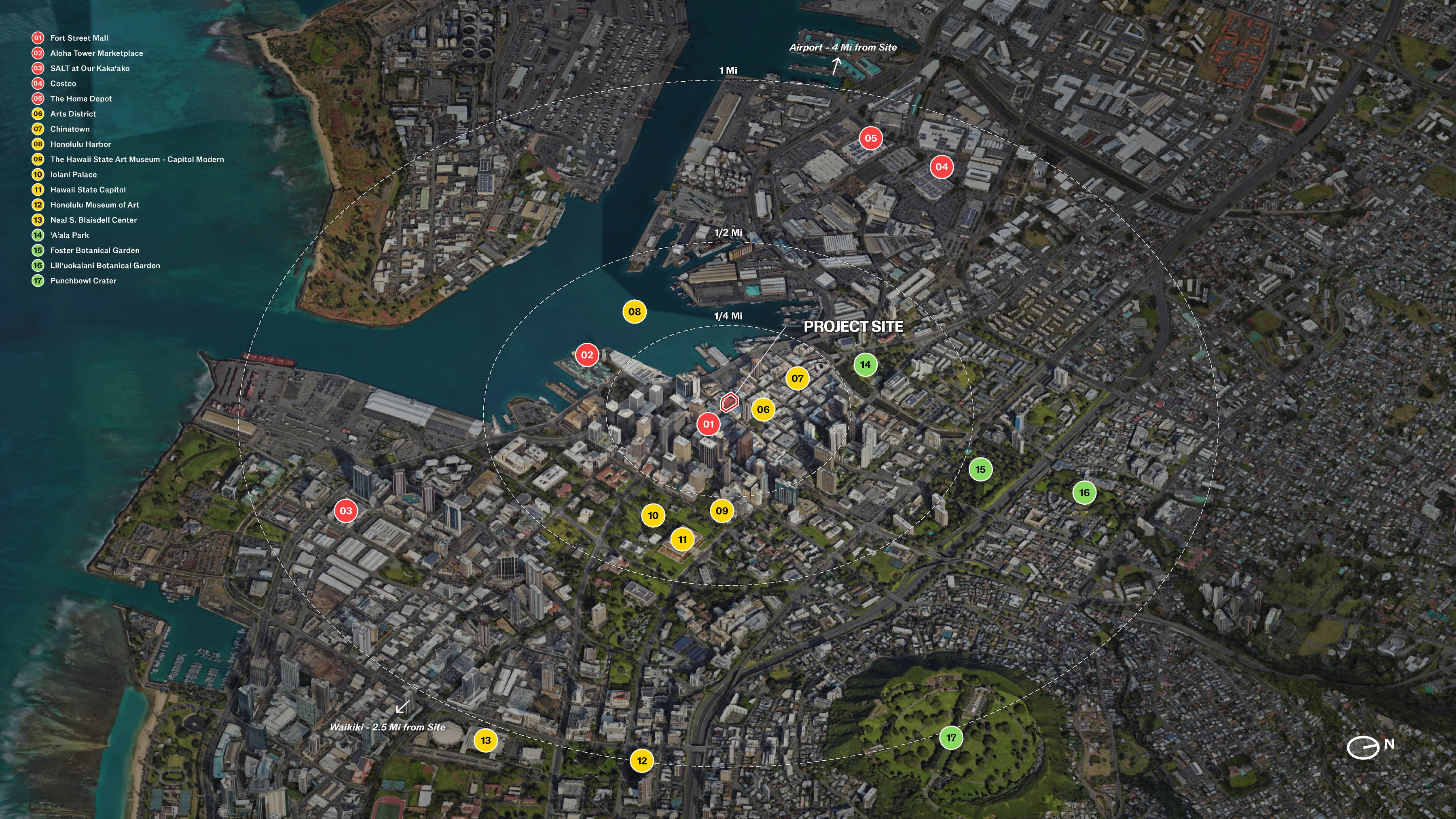
One South King reimagines a former 1960s office building as a contemporary hospitality anchor for downtown Honolulu—one that acknowledges the district’s layered history while addressing its future. Situated at a pivotal crossroads between the Financial District, Historic Chinatown, the Hotel Street Arts and Culture District, Fort Street Mall, and Honolulu Harbor, the project leverages its centrality to reconnect fragmented urban experiences. The redevelopment prioritizes adaptive reuse over replacement, preserving the textured legacy of downtown while introducing new energy that supports living, working, and gathering. One South King is envisioned as both a destination and a connector—an urban meeting point that reflects Honolulu’s distinct island character within a dense, walkable core.
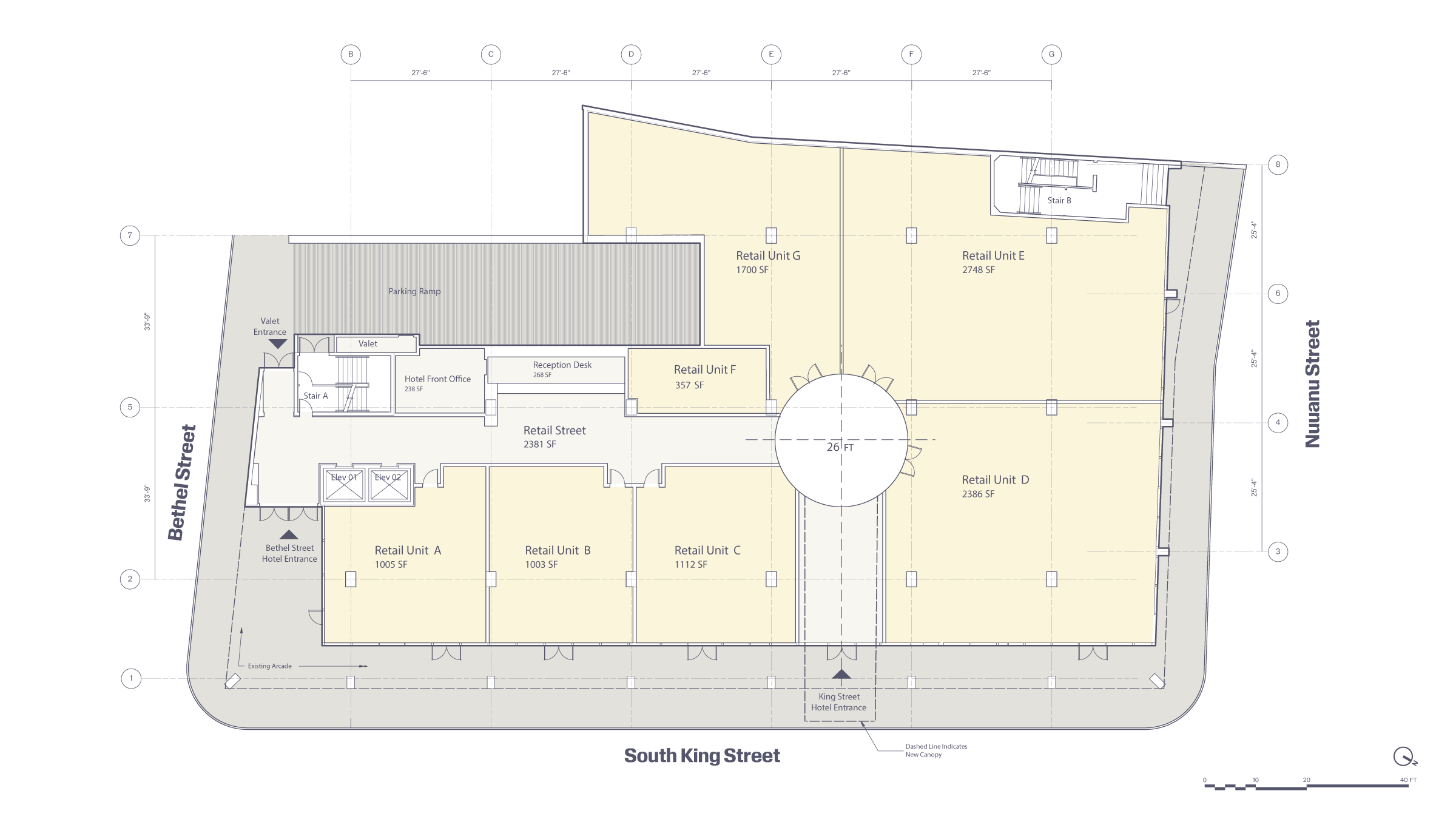
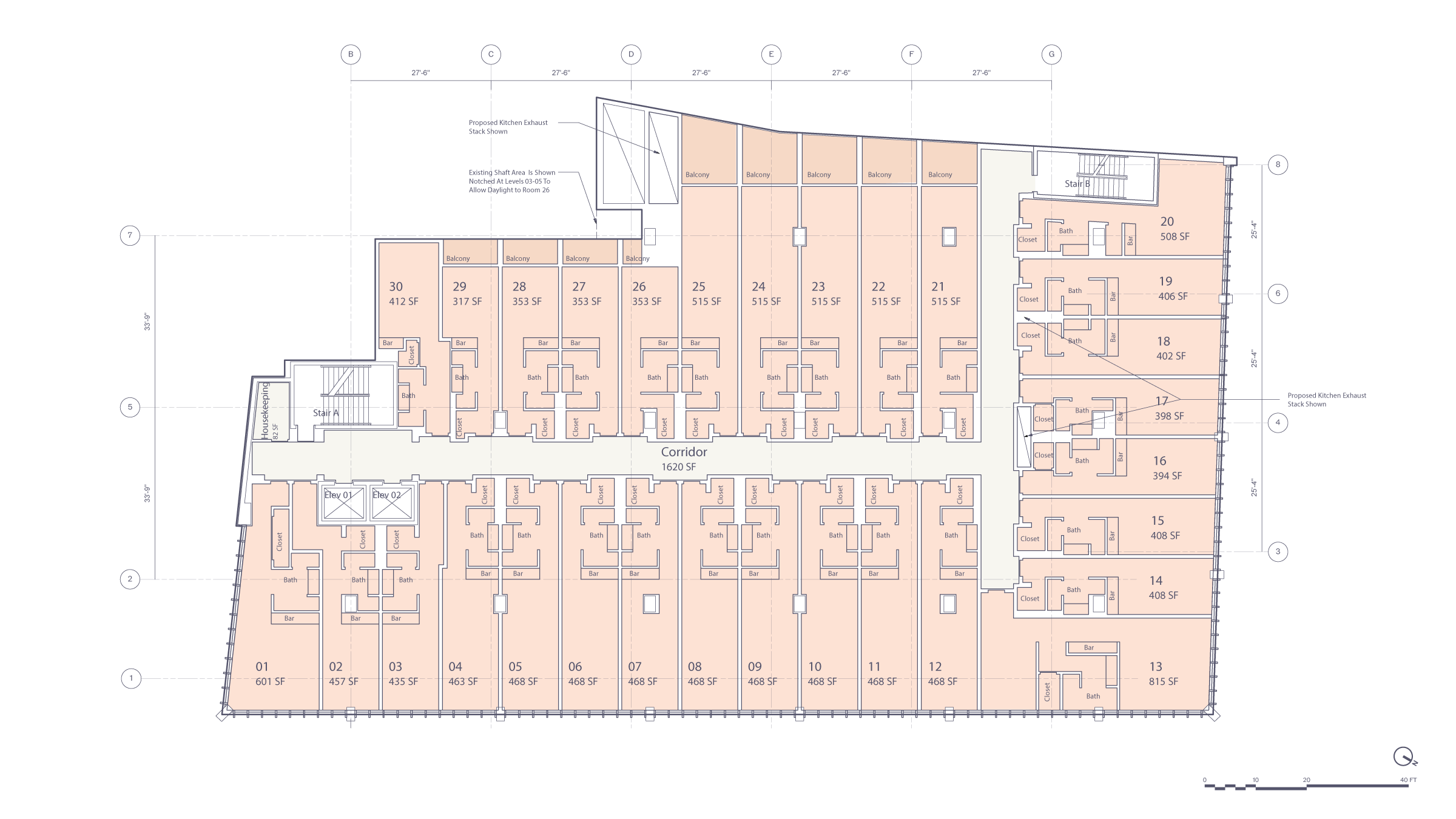
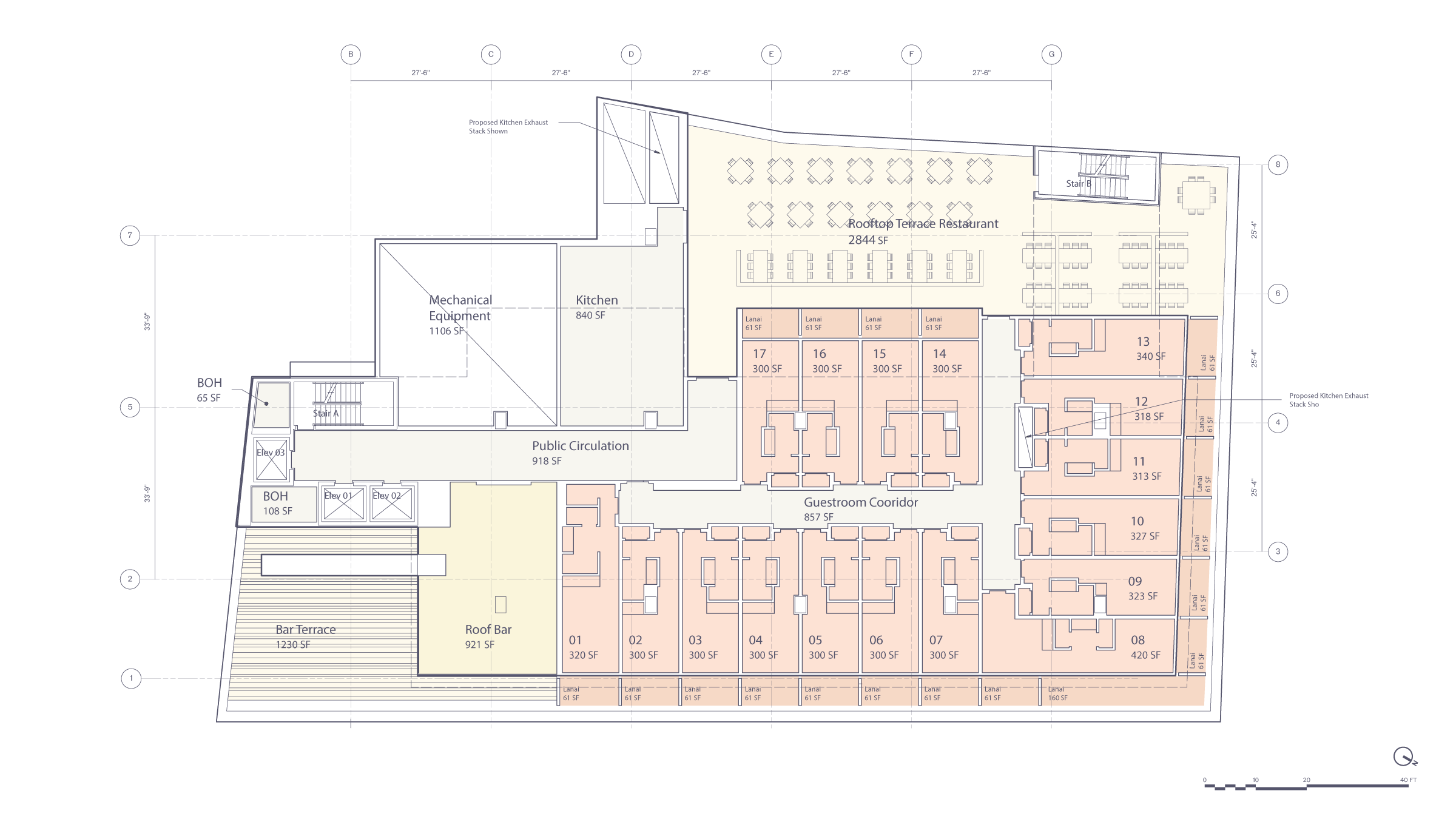
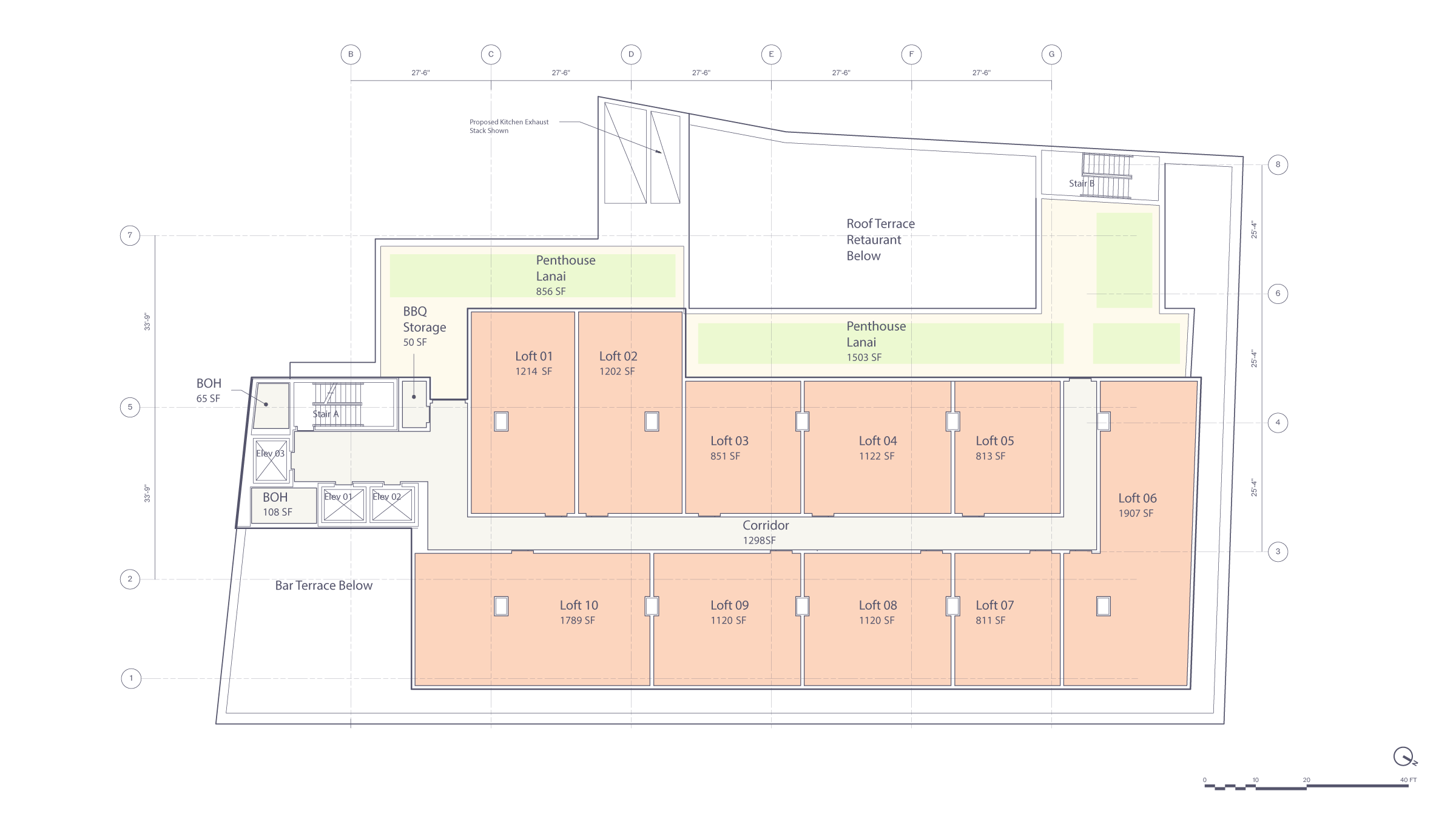
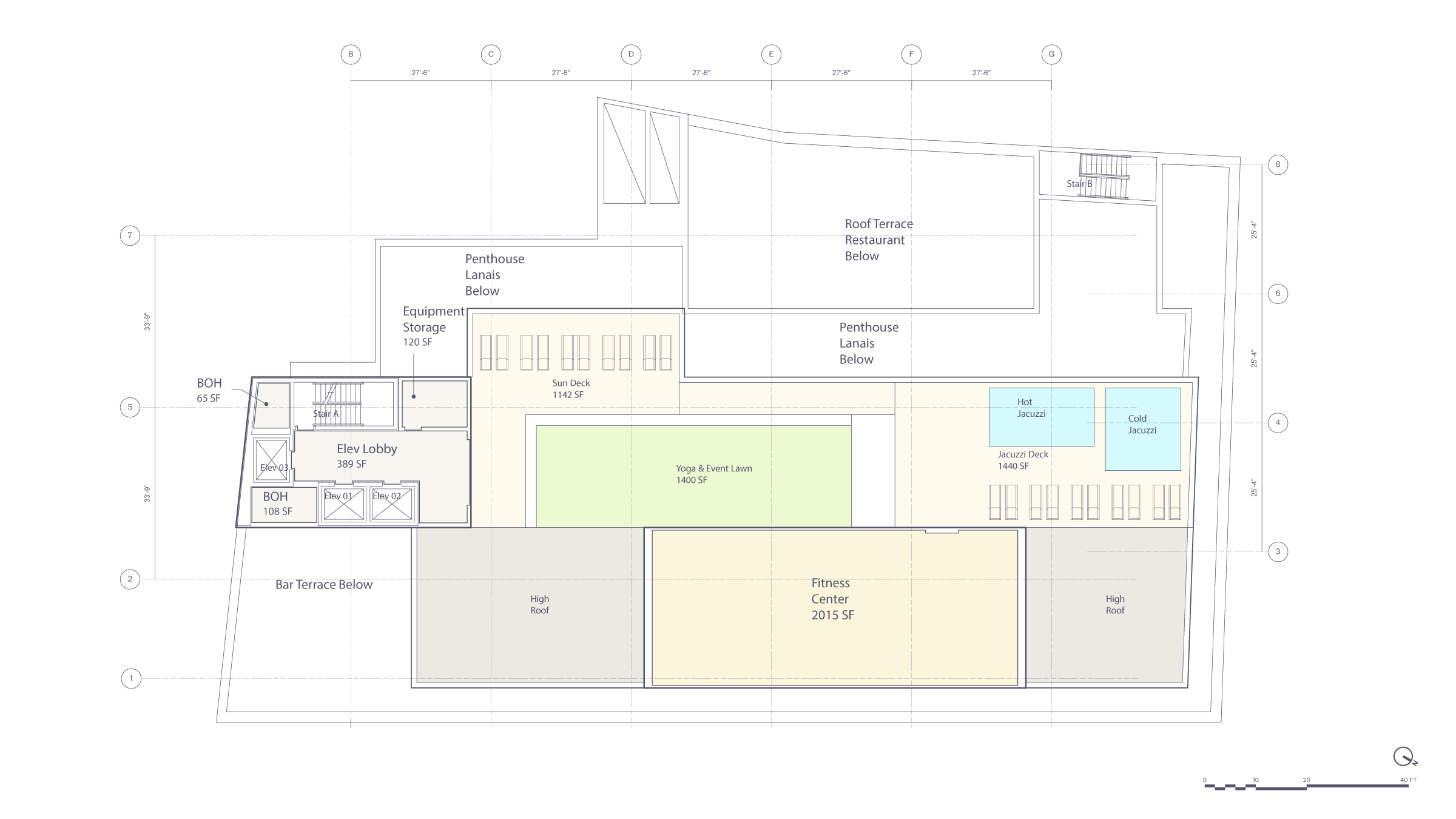
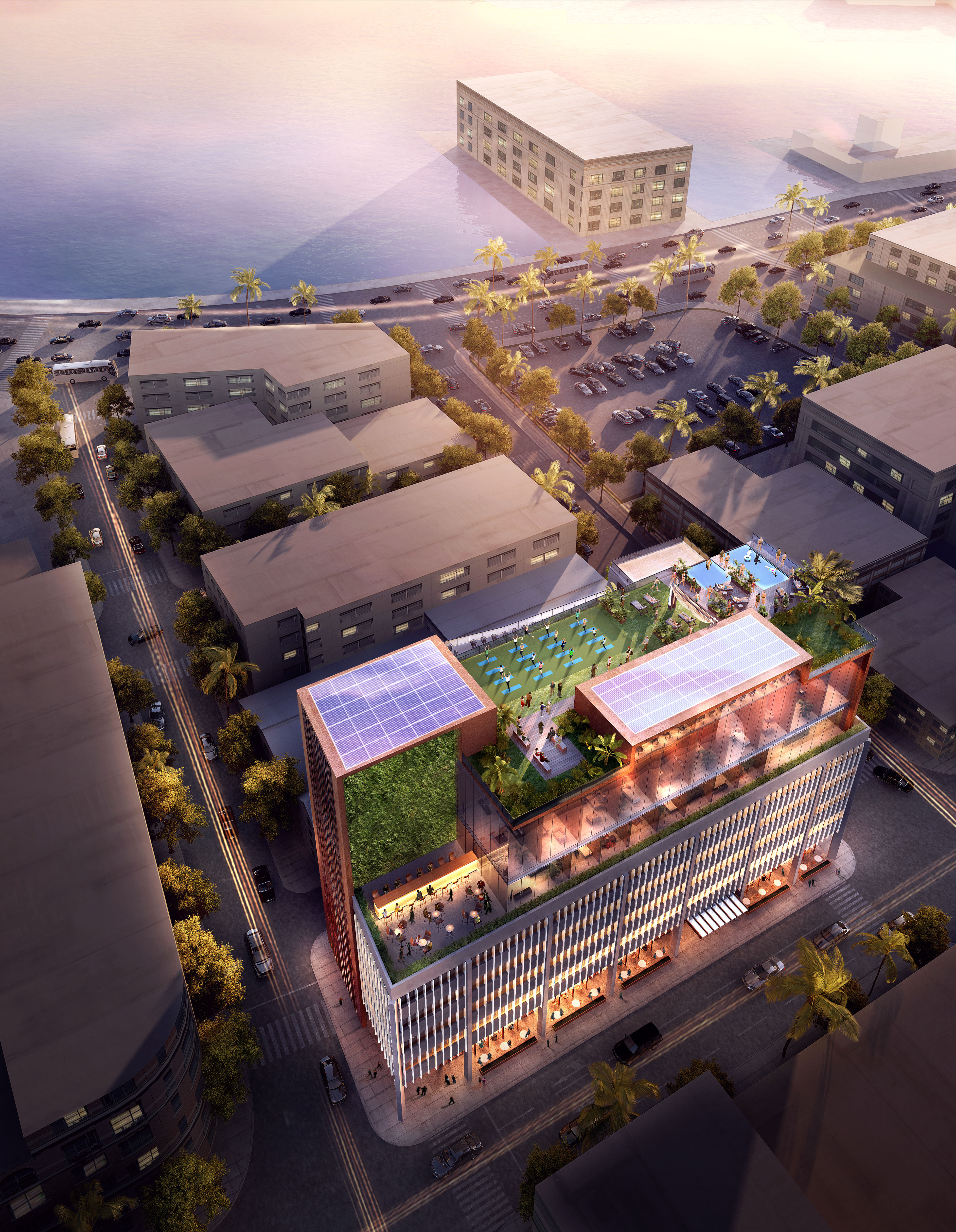
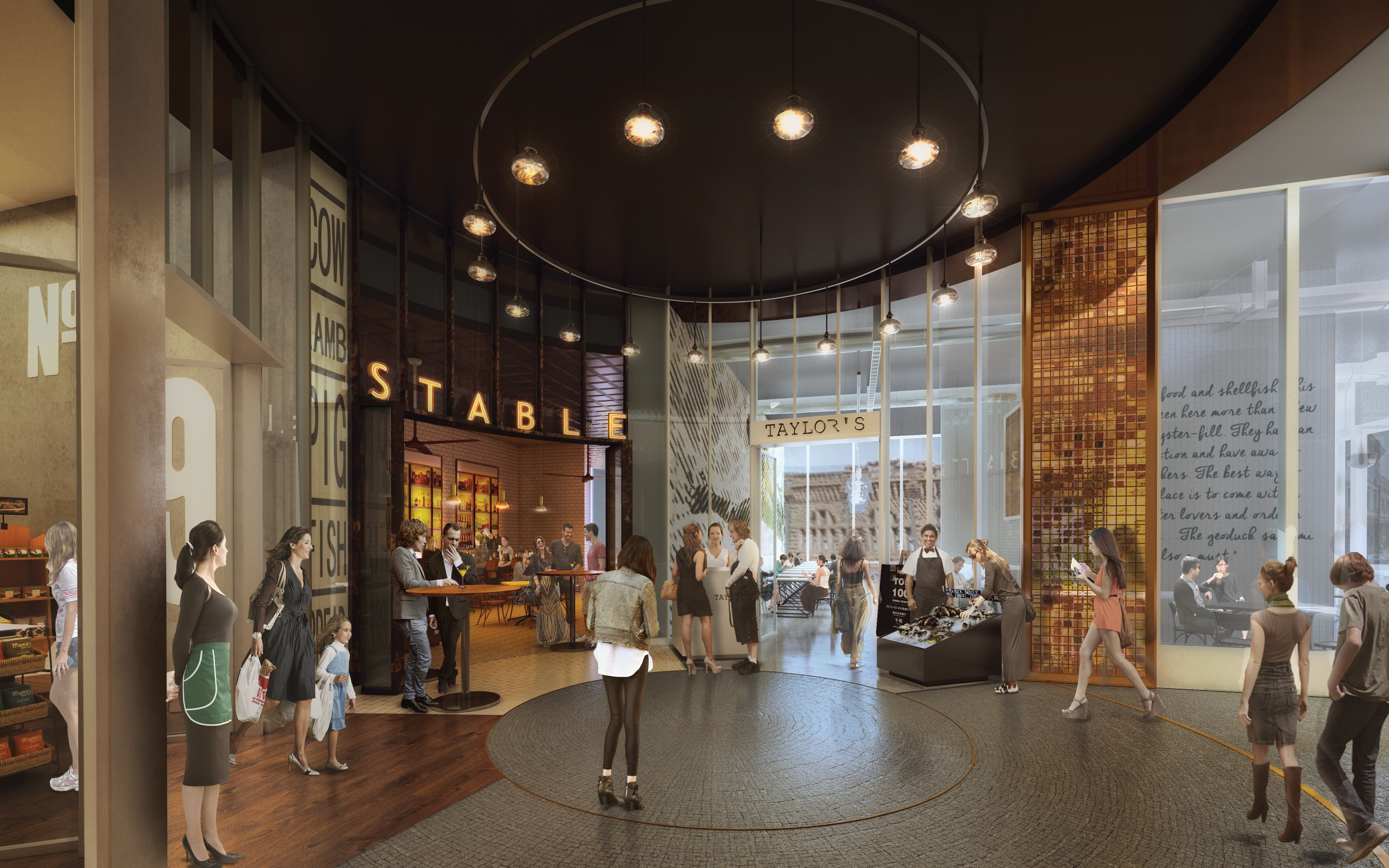
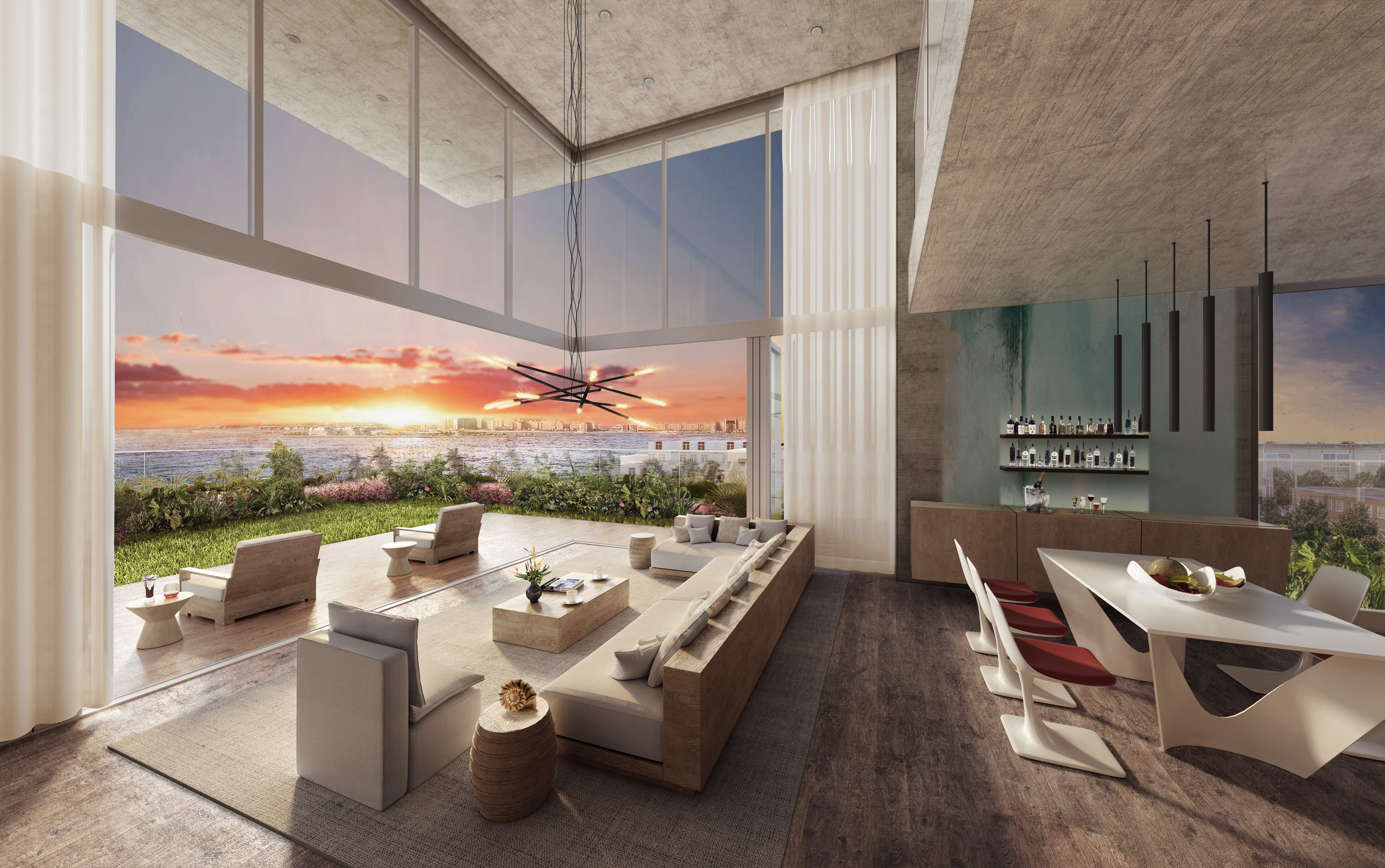
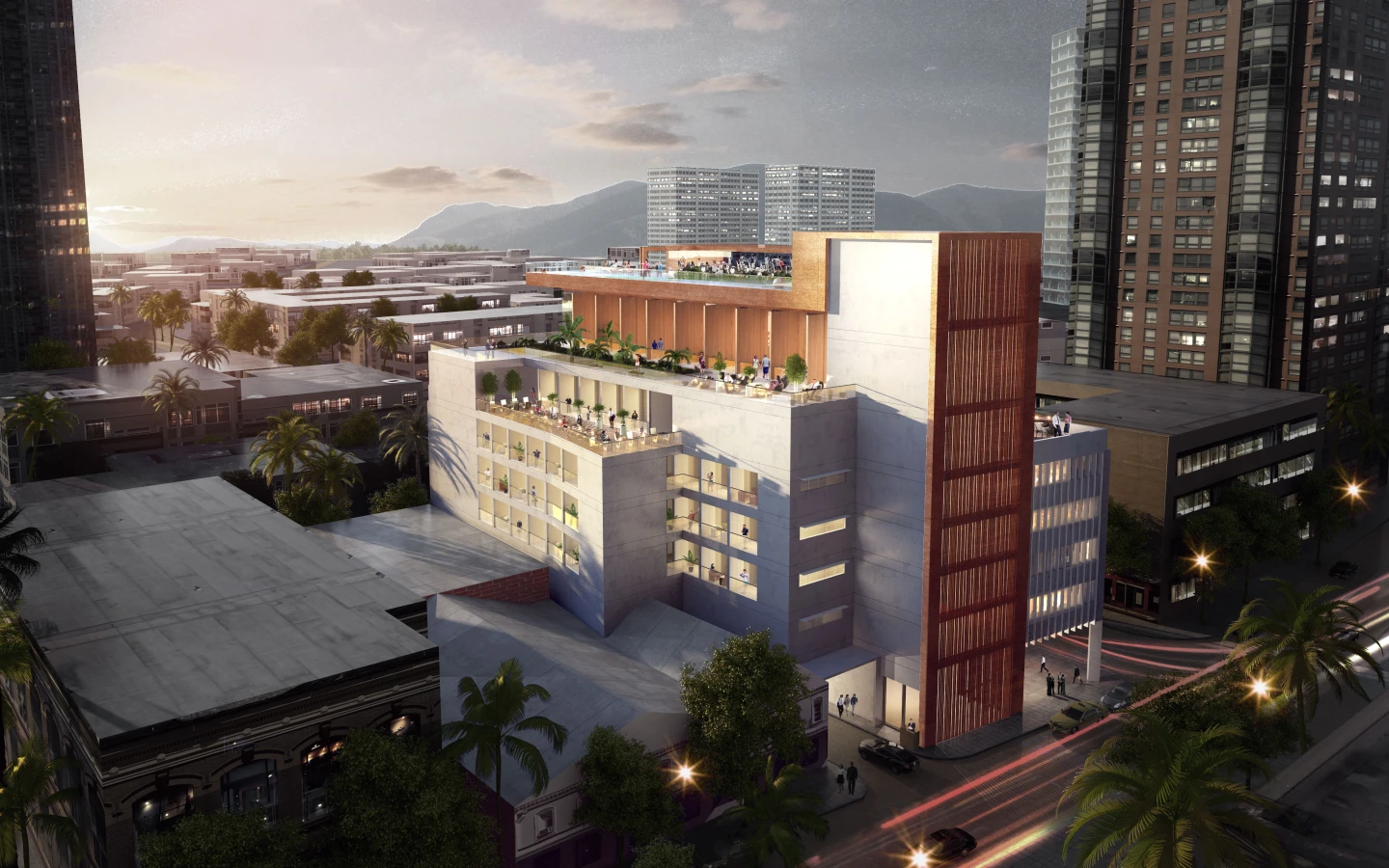
The programming converts five floors of former commercial office space into six floors of local retail, food and beverage, boutique hospitality, rooftop terraces, and penthouse residences. At the ground level, the previous building lobby is transformed into an interior street organized around a circular intersection; here, an intimate public room is faced by local retail, cafes, restaurants, and shared space in a way that extends the scale and sociability of downtown’s historic streets into the heart of the new building. Upper levels reinterpret slender office lanes as distinctly long, narrow, urban studio-themed hotel rooms oriented toward light, view, and rest. Private, deeply inset, water-facing lanais on the building’s southern exposure overlook Honolulu Harbor. The redevelopment includes a 120-key boutique hotel, rooftop dining and bar venues, and a small collection of hotel-managed residences at the penthouse level, offering unobstructed views across the city, mountains, and waterfront.
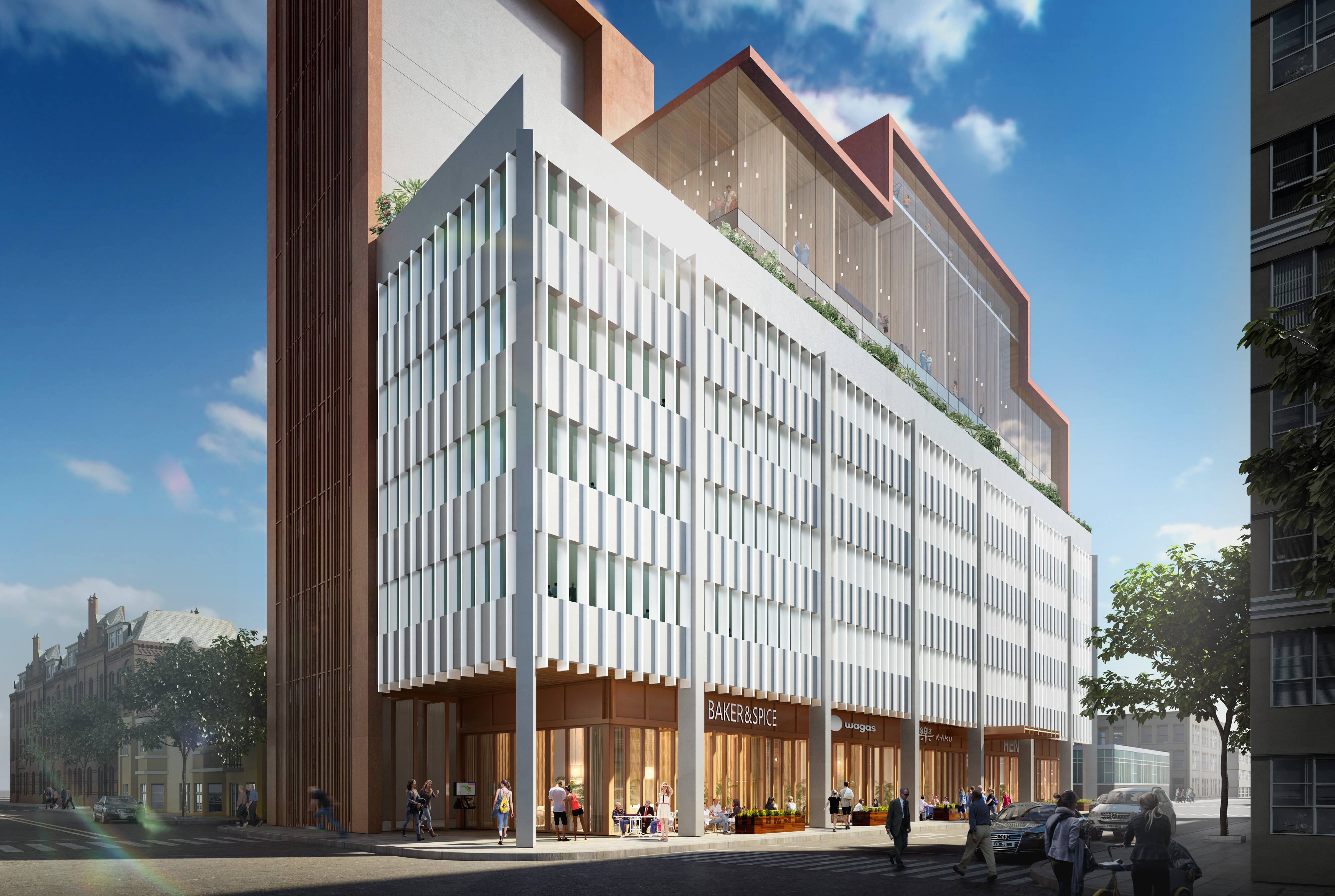
The design expands on the original building’s richly textured brise soleil exterior, a hallmark of Hawaiian modernism, preserving and restoring its rhythmic filtered light while using it as a framework for a more porous, public-facing organization. Copper-toned, textured metal panels frame street-level storefronts and entries along King and Bethel Streets and visually carry the public realm of the program to the rooftop terraces. Throughout the building, surfaces and spaces are calibrated for shifting uses across the day, from morning coffee and rooftop yoga to business meetings, sunset dining, and evening gathering, creating a layered, lived-in experience that supports daily routines and urban longevity.