LINKLAB Newsletter #007
Some things move beyond the limits we assign.
Objects outlive expectation, ideas resist neat confines. This issue is about what happens when you pay attention to that tension—between purpose and possibility, instinct and influence, the built and the imagined.
—Sooyoun and William, Co-Founders & Principals
MAKE
History Remaking
There is a moment when a material is released from expectation. When it is no longer obliged to perform the role it was designed for. In this release, something else becomes possible.

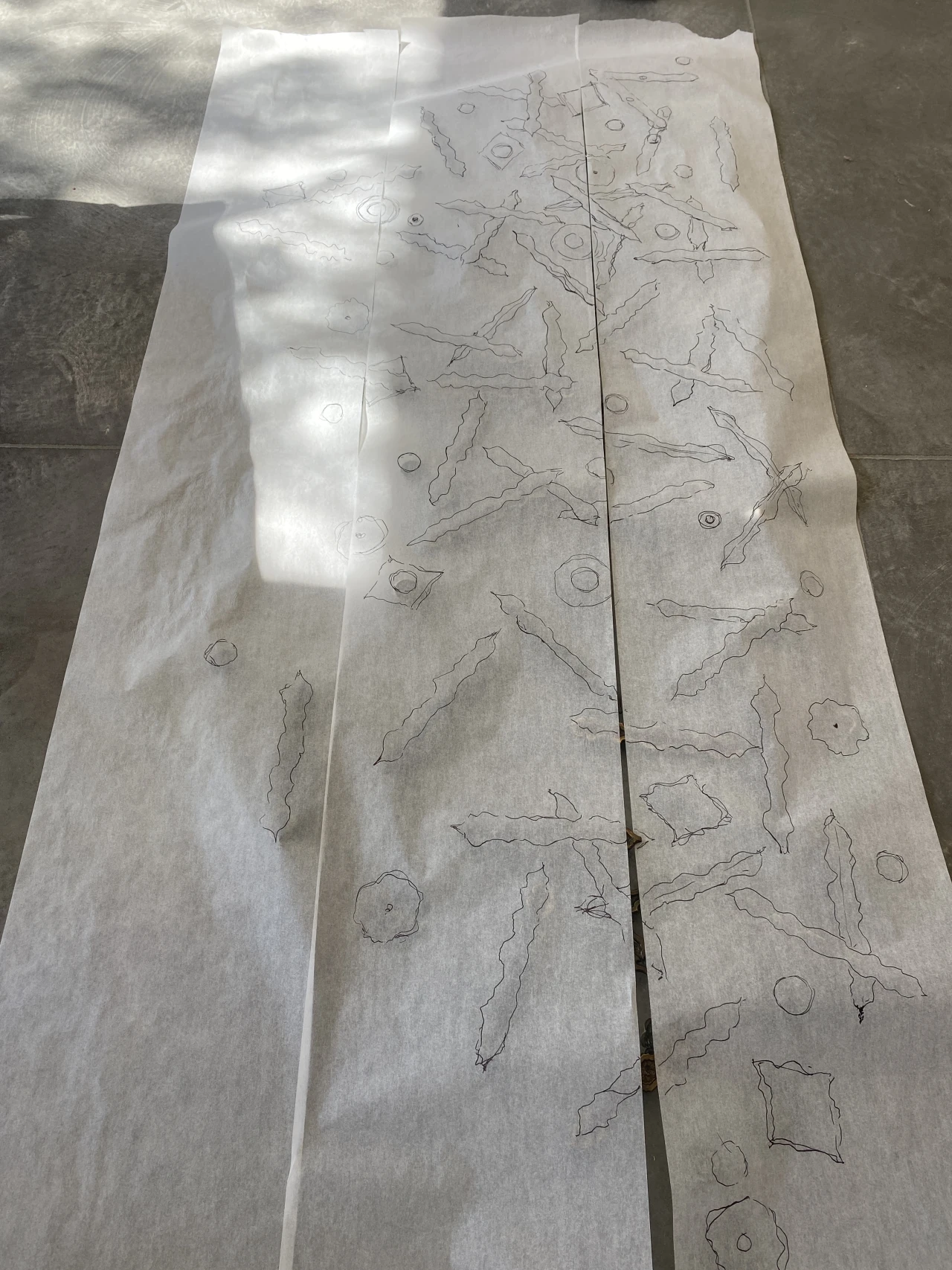
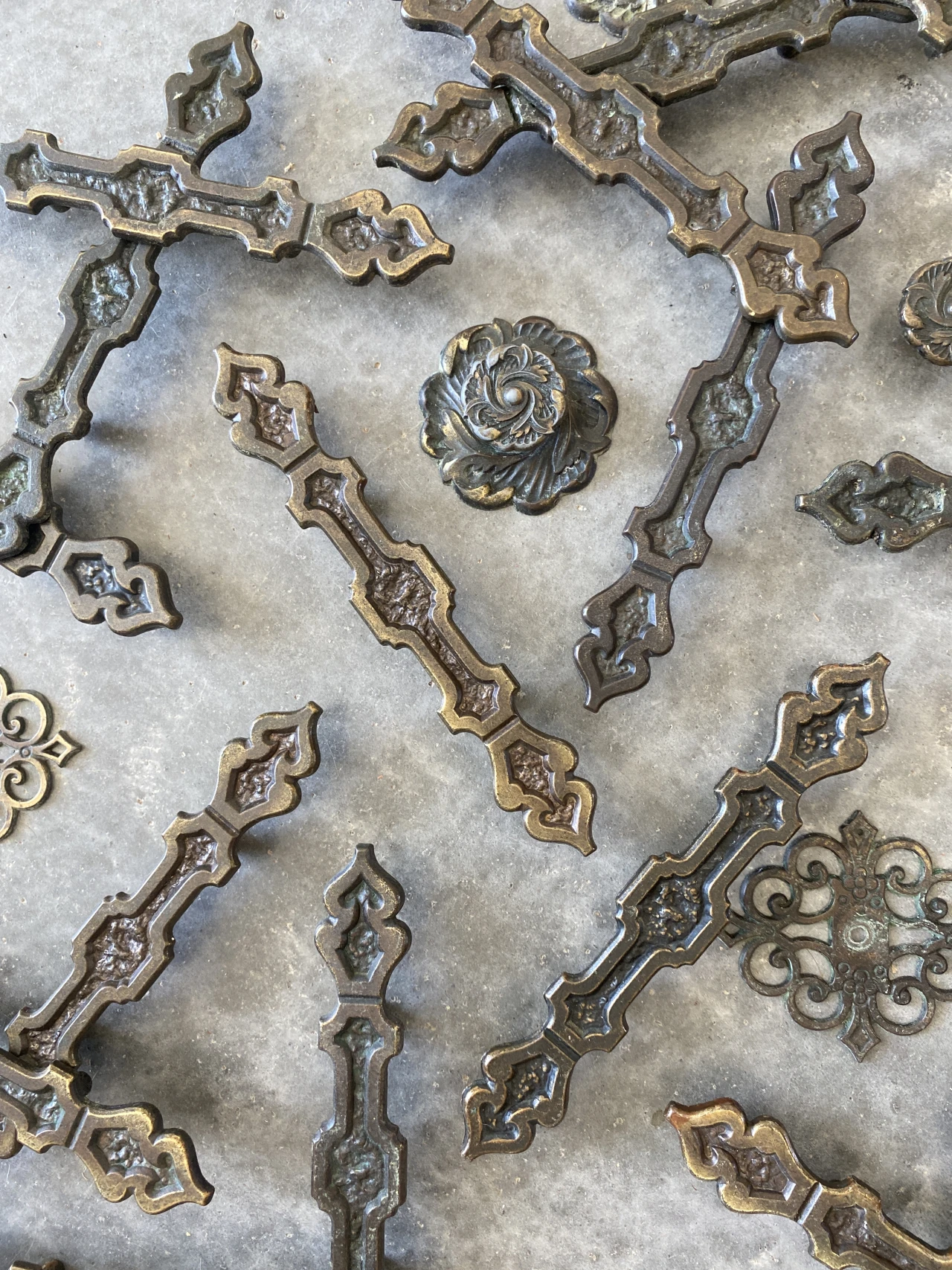
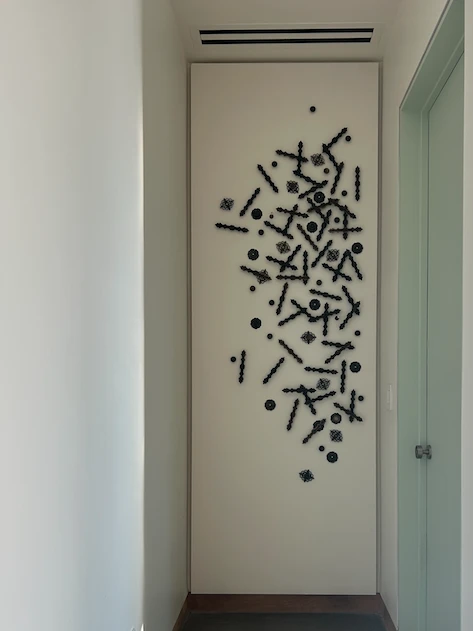
History Remaking begins with what remains—cabinet handles and pulls from a 1970’s ranch style single-family home were once embedded in the routines of daily life. Removed from this place, they could have disappeared into obsolescence. Instead, they are gathered and reassembled, released from their original roles and opened to new relationships. Suspended between object and artifact, they “dance”—a loose choreography of memory, touch, and time in fresh relationships within a place which is also their home. This (re)making unfolds intuitively, guided by the material itself, allowing inherent relationships to surface. Here, the architect steps outside of building to follow these cues—reframing the familiar and extending the life of material as it continues to evolve time and place.


INSIDE
Meet LINKLAB: William
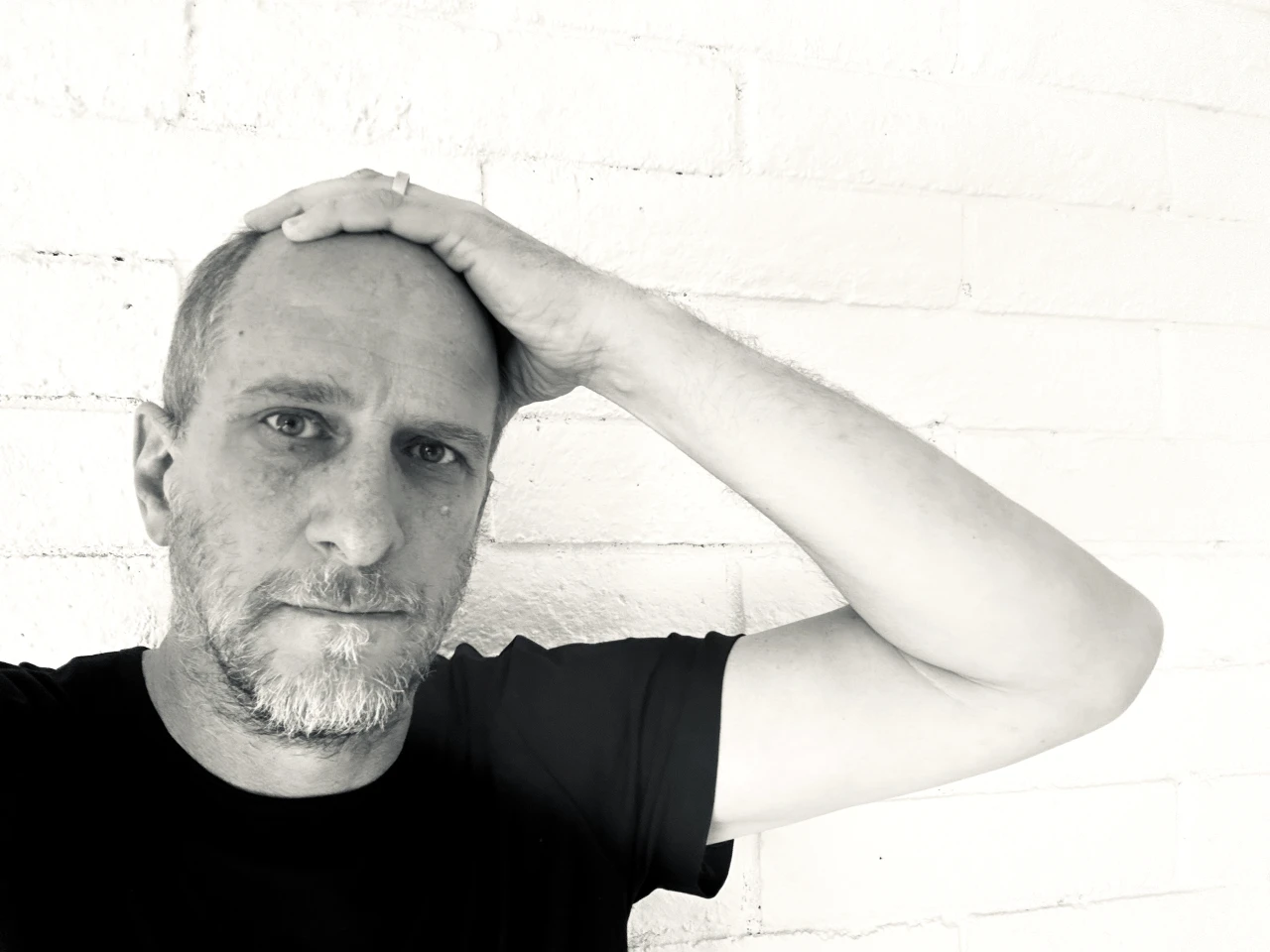
For William, creative work begins with instinct and returns to instinct. Influence, authorship, and architecture are not fixed positions, but conditions to be questioned and reworked. What is evident is a commitment to sincerity and the integrity of the ideas being engaged. Here, William contemplates the influences that shape what is made.

What’s the best piece of advice you’ve ever received about creative work?
I’ve known I would be an architect since 7th grade, and over time I’ve been drawn to individuals who pursue creativity as a form of distinct self-expression—whether through body, environment, or both. I’ve been fortunate to know many talented creatives as mentors, peers, and protégés, and to have experienced a generation of fringe and highly prominent visionaries in my industry. Reflecting on this makes me realize, ‘wow, I really cut my teeth in this profession at a time of significant critical thinking and creative change!’ Yet when I try to recall the best piece of advice I’ve received about creative work, I come up nearly blank. I have neither received nor extended advice about a creative body of work. We generally don’t do that. A critique of a creative project or exercise is not the same as advice about creative work; it’s collaborative, rewarding, and mandatory to the creative process. The essence of the creative thing exists outside of us—it’s why we take the time to contemplate it or explore it or interpret it—because it’s an opportunity to understand something about ourselves. There’s no advice to be given here. I think everyone involved in the creative industry understands that the best thing you can do is be genuine to the things or ideas you take the time to consider and engage. I would not want to get or give this advice. I want it to be mutually understood. Something known.
What’s a misconception about architecture you wish more people understood?
One important misconception about architecture often comes from within the profession itself, usually framed as “what architecture needs today is…,” followed by an ever-growing list of expectations. The implication is that architecture, in its current state, is somehow lacking—that it must correct, respond, or evolve beyond what it has been. But the weight of these projected needs is immense, and it begins to obscure something more fundamental. I think what gets lost is that architecture, at its core, is not exclusively any of these things—it is first an act of material composition. Moneo’s Cathedral of Our Lady of the Angels and Gehry’s Guggenheim in Bilbao come to mind as buildings that do not “care” what they are in a prescriptive sense; they are not burdened by trying to perform an identity, but instead operate fully as architecture—through form, material, light, and spatial sequence. In these, the act of architecture comes first, and the resulting sense of belonging extends well beyond program or singular purpose. When we start to speak in terms of architecture needing something, it’s as if building with sticks and stones and mud ever meant something other than building with sticks and stones and mud. We picked up the stone and set it in mud against other stones to create new spatial relationships of material, color, acoustics, and filtered light to be experienced between people and environment. Believing architecture needs to do more than this inherently corrupts the act of building and removes it from its innocent, shared, and preservationist origins. When the industry loses sight of this, the work inevitably becomes destructive in one way or another.
Which non-architect (artist, musician, scientist, etc.) do you wish you could collaborate with?
I’m obsessed with the idea of designing a home for FKA Twigs or a global flagship for AVAVAV as envisioned by Beate Kalrsson—both are game changers in how they approach self-expression through the body and its relationship to environment. Their work moves, stretches, and transforms in ways that push beyond contemporary trends, creating moments that are exploratory, generous, and at times sacrificial. I’m interested in capturing that richness of movement in a static architectural moment—making something that holds that energy in place. In that sense, I don’t think of this as collaboration in the conventional way; I wouldn’t look to them for design decisions, but for reaction, preference, and presence. Yo-Yo Ma made a series of films years ago where his compositions were inspired by various people and places. In them, he wasn’t asking how something should be played, but trying to better understand the people and places he chose to explore as influences. The compositional decisions were his. Similarly, I’m inspired by other creative individuals across industries and would expect collaborators to push the work in unexpected ways, creating unexpected outcomes—however, I want to make the decisions, read the feedback, feel when something is missed, and adapt until it captures its intent.
If the idea isn’t doing the work, nothing else will.