LINKLAB Newsletter #009
Design sets conditions. Use completes them.
What follows design extends through repetition, occupation, and adaptation over time, shaping space through lived experience. In this issue, we look at how those conditions are established and how they are continuously rewritten through participation in everyday space.
—Sooyoun and William, Co-Founders & Principals
MAKE
130 South Beretania

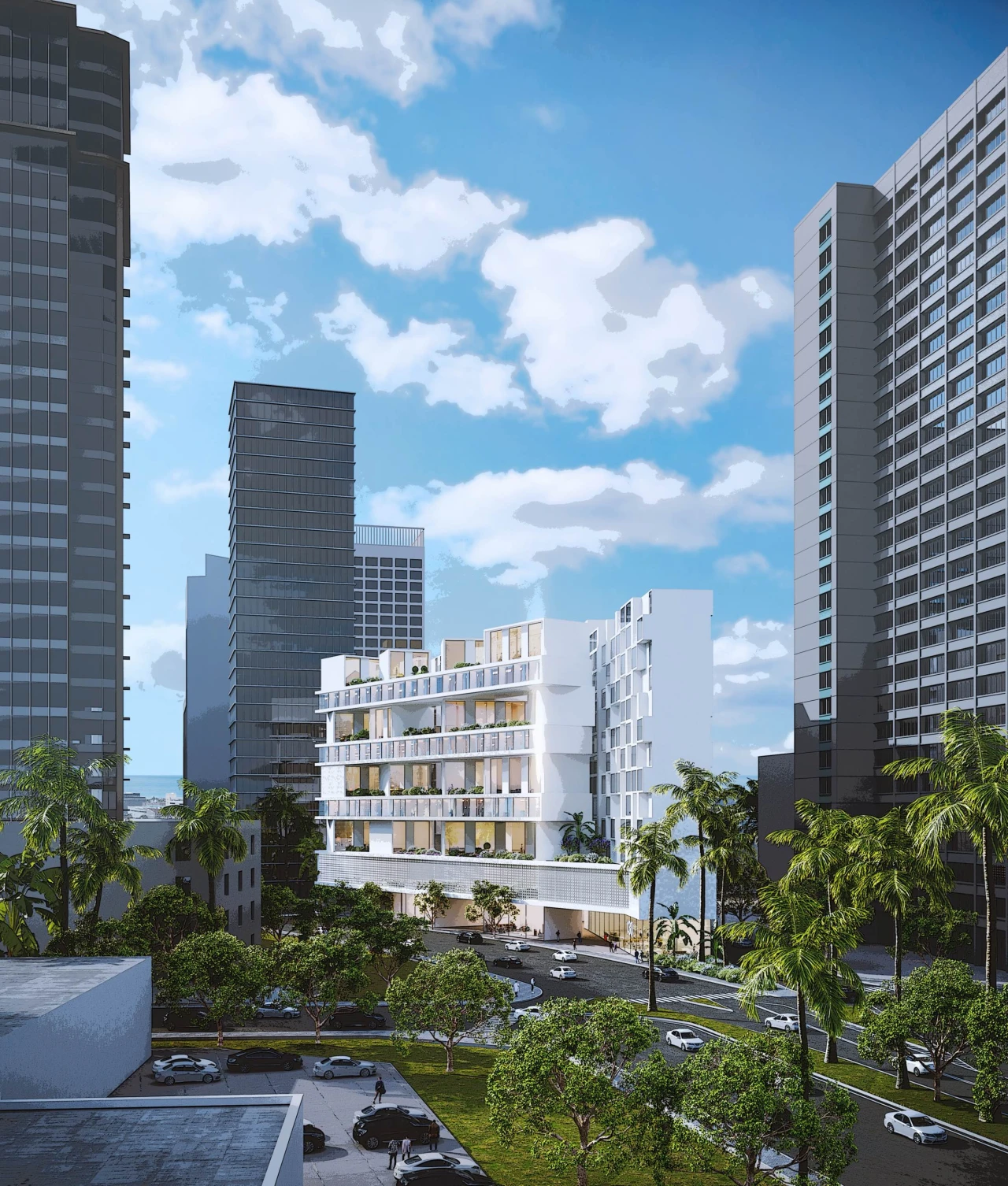
As more people make their homes within shared residential environments, the social experience of living together continues to be central to the future of housing. Across the United States, millions of people live within multi-family housing environments, and this number continues to increase in major urban centers across the country. While most new modern housing, by necessity, prioritizes efficiency and repetition of unit types, construction methods, and formula amenity packages, the dynamics that reinforce true community living often become an afterthought. Today, in environments where loneliness has become an increasingly common condition of urban life, the question is no longer simply how to house more people, but how to create meaningful places to live together.
LINKLAB’s concept design for 130 South Beretania in downtown Honolulu explores this objective by considering multi-family living as a reflection of community and place where a mosaic of individual identities contributes to a shared sense of belonging rather than isolation. Developed as part of an Affordable Housing competition sponsored by the City of Honolulu, the project organizes the modulation of multi-family density around open-air circulation, elevated bridges, and slices of open spaces that function as shared lanais. The resultant massing encourages everyday interaction between residents and with the surrounding environment.

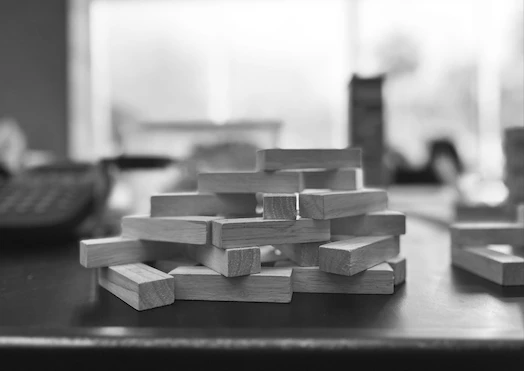
The layering of circulation introduces multiple paths of movement throughout the building, reflecting the dynamic patterns of encounter and exchange that characterize urban life while creating greater opportunities for residents to cross paths throughout the day. Here, communal areas become part of daily life: spaces for chance meetings, unexpected breaks, shared air, changing light, and framed views toward Punchbowl and the Koʻolau mountains. Positioned between Honolulu's urban core and the dramatic topography of Oʻahu, the site also acts as a hinge between Oʻahu’s natural and urban settings.

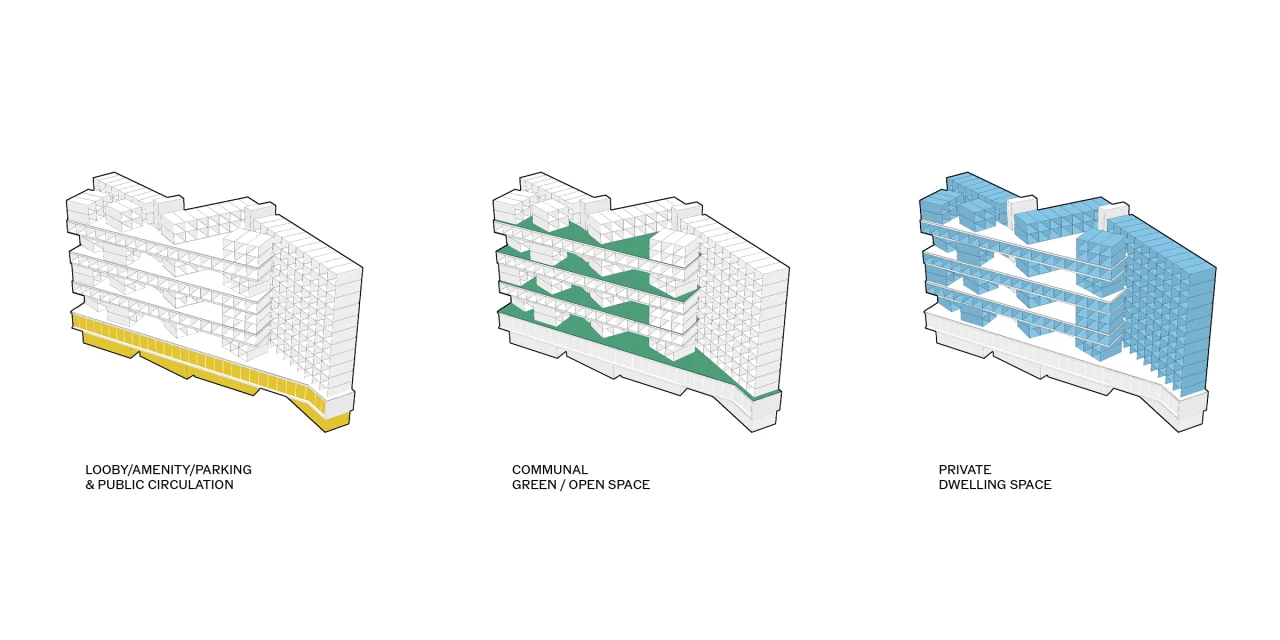
Behind this spatial openness is a disciplined and efficient construction logic. A modular framework of units assembled from standardized construction components streamlines fabrication while allowing adaptability across dwelling types and configurations. At the ground, a four-story podium program connects residents to the broader community of the downtown district. In a housing landscape increasingly defined by urban concentration, 130 South Beretania presents another possibility: housing as an opportunity to strengthen connection, proximity, and collective life.
SHIFT
Participation as Design Thinking
Places are shaped by more than design. Every day, people alter, occupy, and reinterpret the environments around them. The accumulation of these inevitable acts often contributes as much to the character of a place as the idea that first brought it into being.

Between
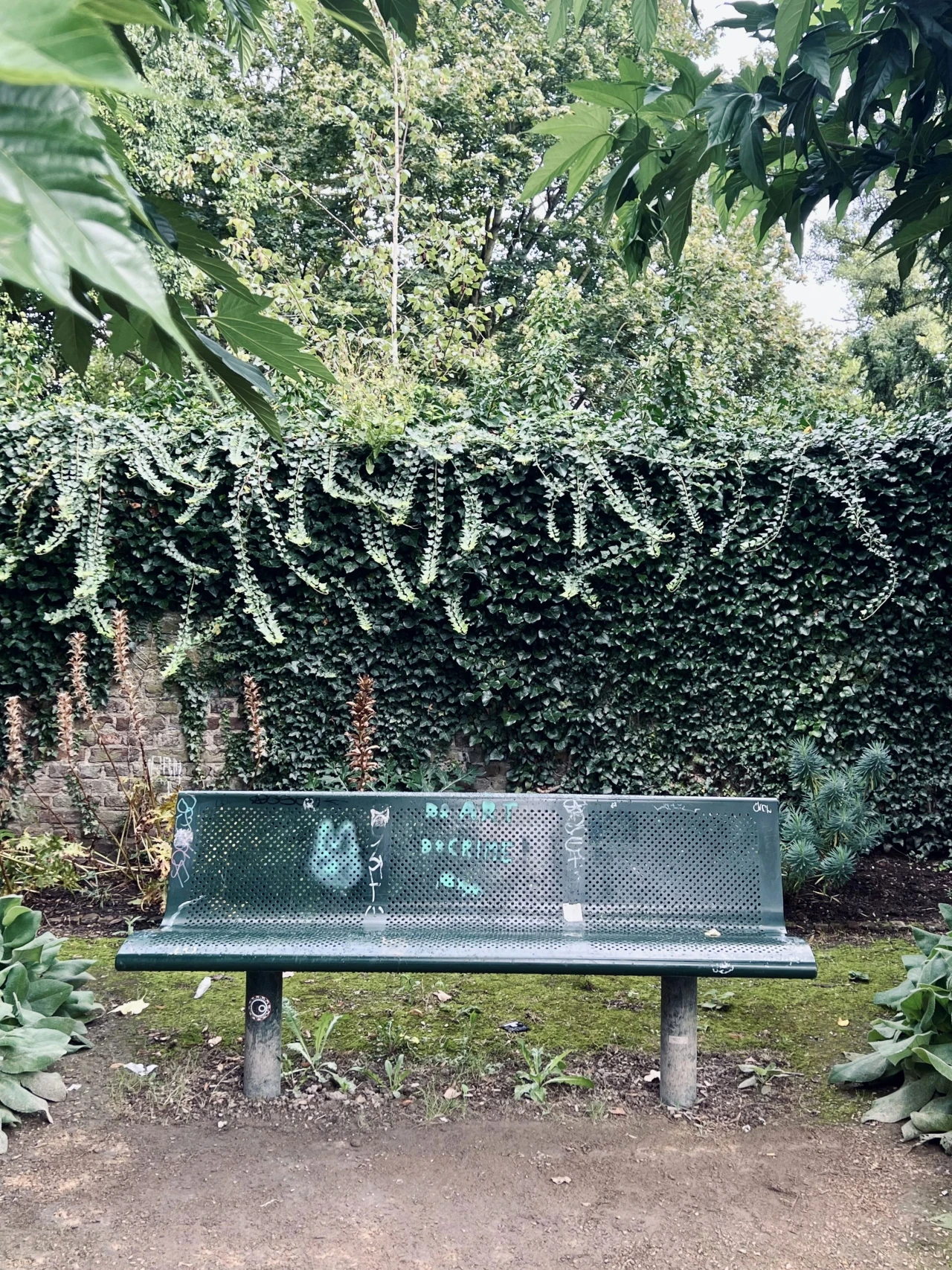
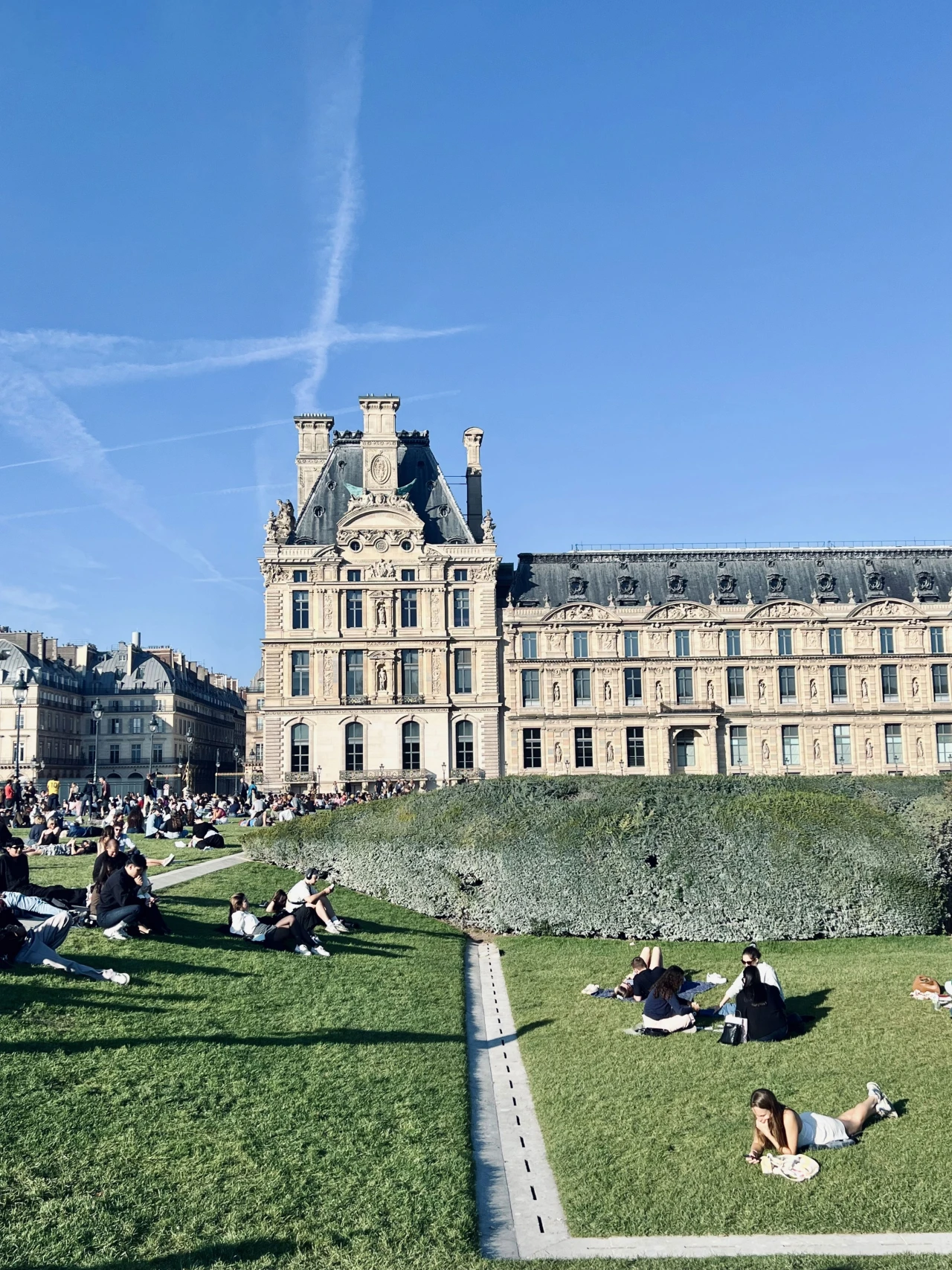
While built forms establish shared reference points, the spirit of a place is often found in what happens between them. Daily routines, shortcuts, gatherings, and informal uses give shape to the spaces that rarely appear on a map yet become essential to how a place is understood and remembered.

Interaction Matters
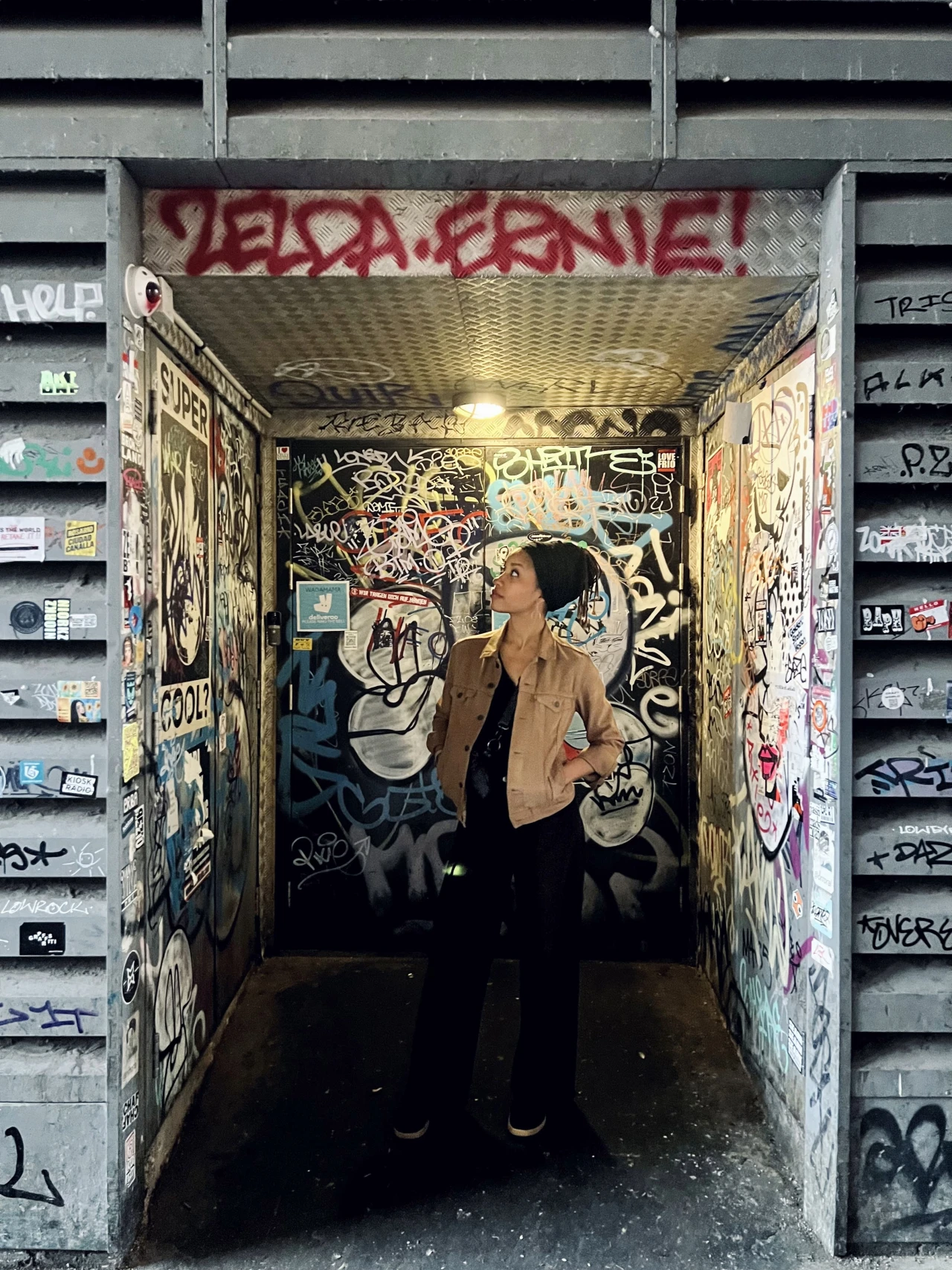
A museum sticker on a street post. An advertisement attached to a lamppost. Shipping crates repurposed as seating. A loose assembly of tables and chairs that slowly becomes a gathering place. These small interactions reveal how participation leaves visible traces, transforming ordinary space through repeated acts of use into lived space.

Unintentional Outcomes
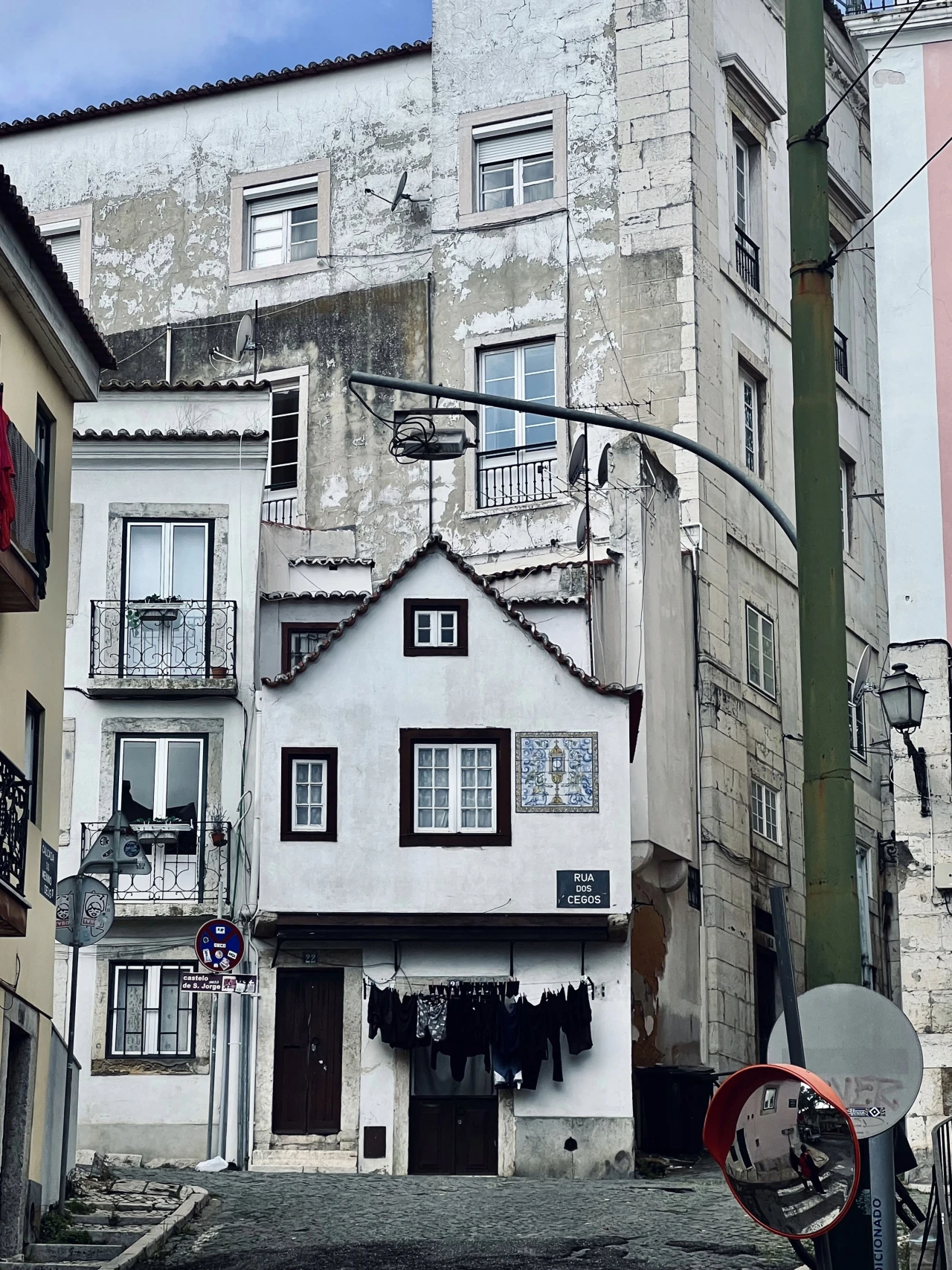
Some of the most meaningful qualities of a place are never explicitly designed. Imperfections become anchors. Temporary conditions become traditions. What begins as adaptation, improvisation, or even chaos can evolve into a defining and valued aspect of a place's identity.

Frameworks of Practice
If participation shapes spatial outcomes, design moves beyond fixed conditions and into a medium for change. The role of the architect widens from author to editor, orchestrator, and participant. If participation is taken seriously as a driver of place, what must change in how we practice?