LINKLAB Newsletter #010
Some of the most influential things around us do not always stand out.
Many of the qualities that shape our experience of a place unfold over time rather than all at once. In this issue, we reflect on what comes into focus through closer observation and how looking more carefully can change the way we read and engage with the spaces around us.
—Sooyoun and William, Co-Founders & Principals
INSIDE
Meet LINKLAB: Destiny


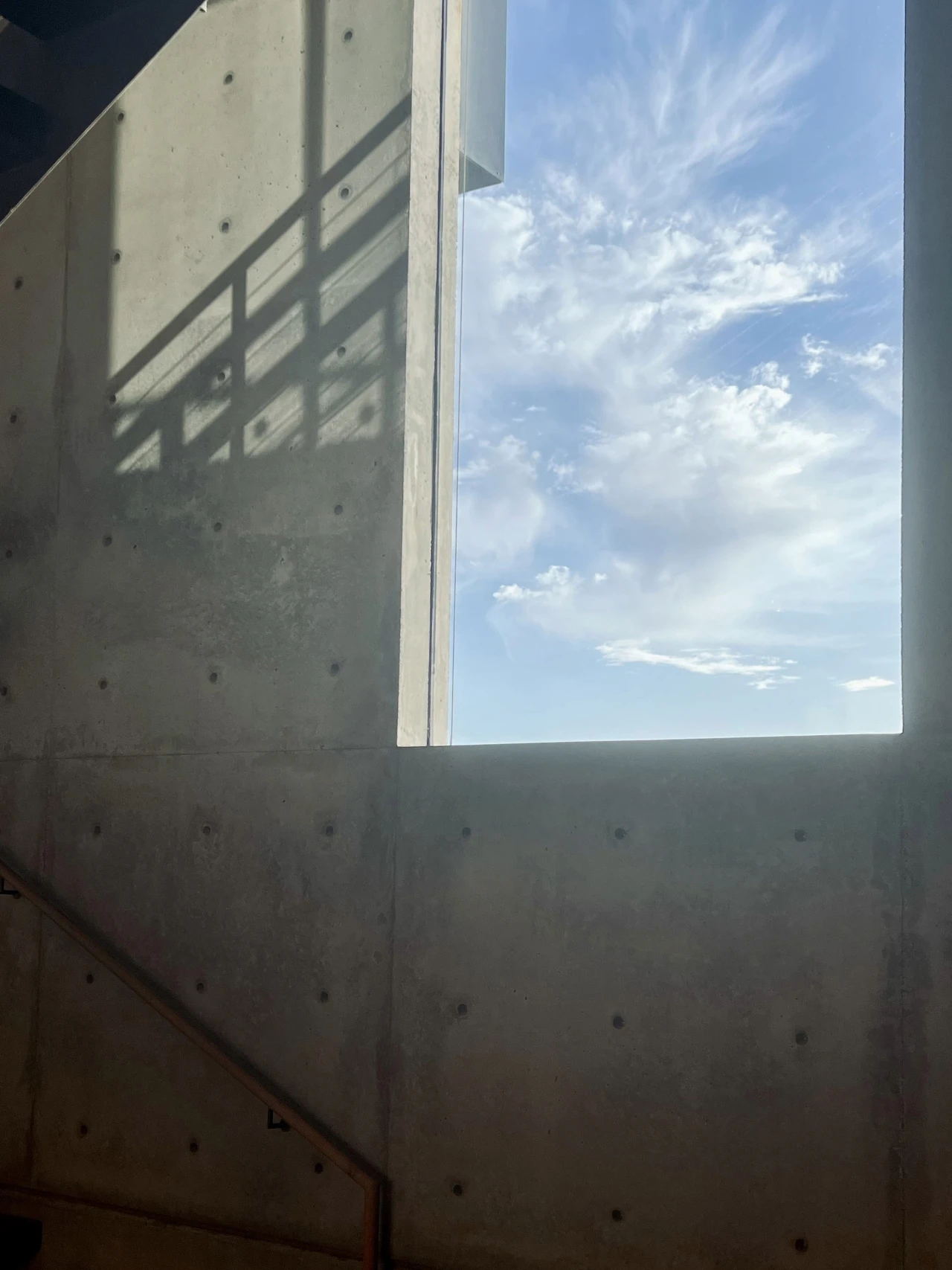
For Destiny, the most meaningful parts of architecture are often felt before they are seen. It’s in the shift of light, the rhythm of movement, and the patterns of how people occupy space that a place begins to take shape. Meaning is found in these in-between conditions, where experience becomes the foundation for how space is understood and imagined. Here, Destiny considers how what is sensed—often before it is defined—influences her approach to architecture.
What's a detail from your culture, background, or travels that shapes your design eye?
Growing up in Phoenix, Arizona, and being raised in a Hispanic family has shaped the way I see and experience design. Living in the desert my entire life has made me especially aware of how light, shade, and nature can influence the way a space feels and how people connect within it. It made me feel inspired by architecture that blurs the boundary between indoors and outdoors, bringing nature into the building and creating spaces that feel connected to their surroundings. Being raised in a Hispanic family, I am drawn to spaces that bring people together and foster a strong sense of community through thoughtful use of materials, color, texture, details, and atmosphere. This has all shaped my design eye by teaching me to prioritize people and the way they experience a space. From my perspective, architecture is about creating places for people, like places that foster connection, belonging, and meaningful interactions. I believe the most successful designs are those that make people feel welcomed, inspired, and connected to both their community and the natural environment.
What's a lesson you bring from outside architecture into your work?
I consider cinematography a lesson, paying attention to how people experience a space over time. What draws one to film is that it’s not just about a single image, but it’s about the sequence of moments and how a scene is revealed and how lighting, framing, and movement make you feel about something. Architecture can be considered similarly. People don’t experience a building all at once; they move through it. The way you enter a space, how views are revealed, the quality of light throughout the day, and the connection between indoor and outdoor spaces all shape the experience. Cinematography has taught me to be more intentional about those moments and to think about architecture as a story that unfolds as people move through it.
What's the best piece of advice you've ever received about creative work?
“Give sense to things that are evident only to us”. I had heard this during a lecture and wrote it down. I thought it suggests that architects can recognize qualities, stories, or needs that might go unnoticed by others and translate them into physical space. To me, architecture is about recognizing qualities of a place and its people that might otherwise go unnoticed and giving them physical expression. Whether it’s the importance of community, the experience of nature or the way light shapes a space, design can make these experiences visible. Architecture allows the translation of personal observations, cultural values, and connections to place into spaces that others can experience and understand.
SENSE
In Plain Sight

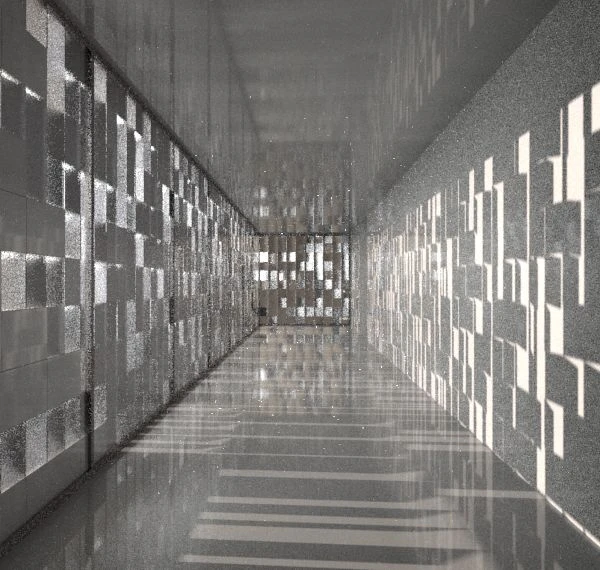
Architecture is often documented through plans, sections, dimensions, and materials. Yet our experience of a place is shaped just as much by qualities that resist documentation. Light, shadow, reflection, and atmosphere influence how we perceive space, creating moments that cannot be fully captured in a drawing or specification.
These are temporary and dynamic forces that shape how an environment is read. Their effects are subtle but pervasive, revealing relationships between surfaces, defining depth, softening boundaries, and shifting the character of a space throughout the day. Light reorganizes spatial relationships, altering scale, emphasizing texture, shifting attention, and changing the atmosphere of a place.

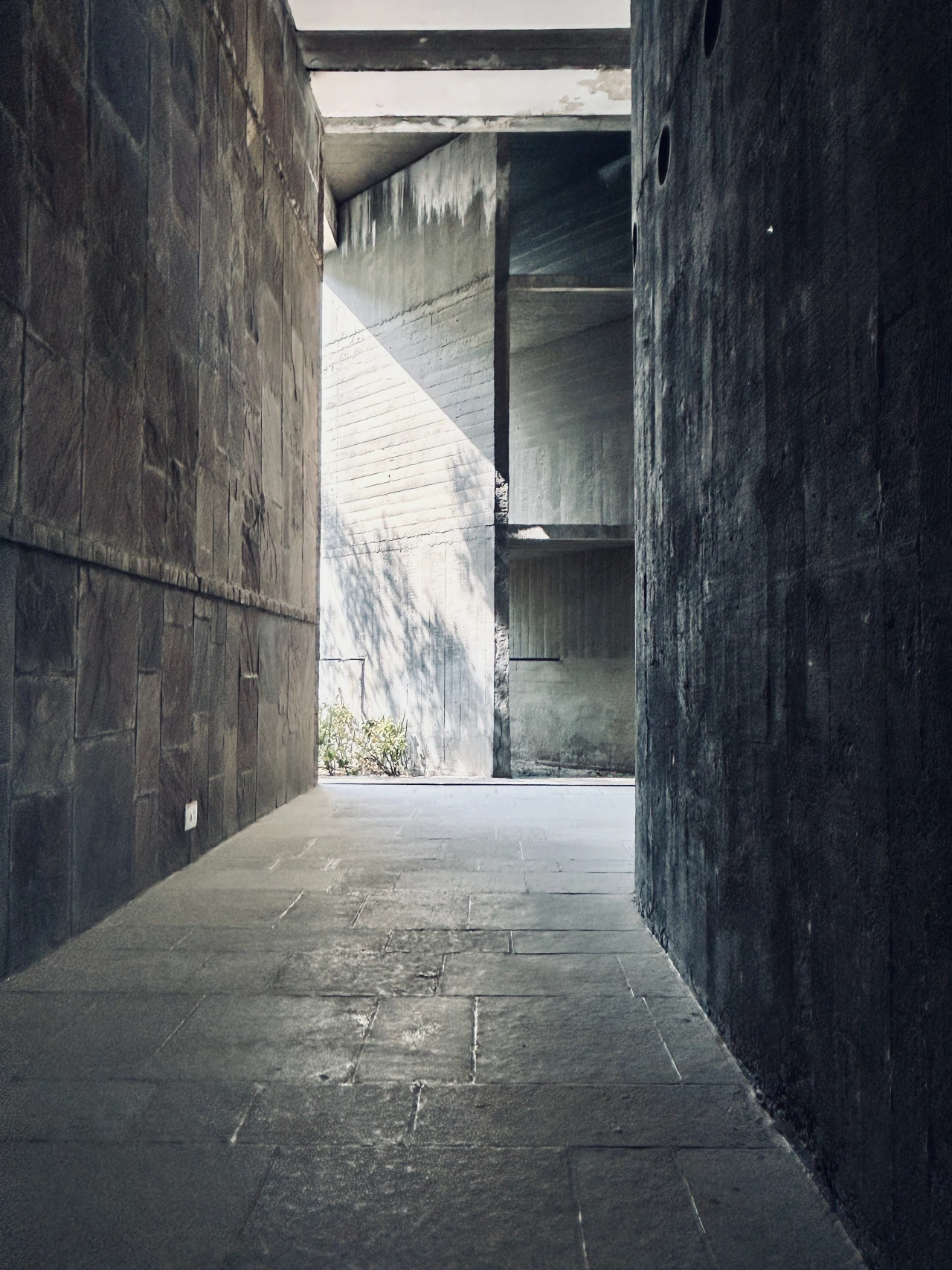
A space experienced in the morning is not entirely the same as the felt space in the evening. The physical environment may remain unchanged, yet our relationship with it continues to evolve. Many of these shifts rarely announce themselves directly. They emerge through repetition, routine, and sustained observation, revealing qualities that often sit just outside of immediate attention.
The more closely we look, the more we notice. Patterns accumulate. Relationships become visible. A different experience. In our practice, we notice what previously may have gone unseen, influencing how a place is read. Sometimes the strongest signals for change are already in plain sight.